

BH meets HYPERFOCUS — Clarity, Curiosity and the Courage to Play

At Bounty Hunters, we celebrate studios and designers who shape the visual culture of today — those who push creativity beyond aesthetics, into strategy, storytelling, and emotion.
This time, we had the pleasure of talking with Paul Watmough-Halim, Co-Founder and Digital Brand Director at HYPERFOCUS — a Hamburg-based studio crafting digital-first brands that live and breathe culture.
Through this interview, Paul shares his perspective on what it means to build meaningful brands in an increasingly complex world — from the early moments that shaped his creative journey to his vision for the future of design, collaboration, and culture.
Can you share a moment or project early in your career that shaped the way you approach branding and design today?
It was the first time I had been part of a truly global collaborative team. This was before Figma, before Slack, before that kind of workflow even existed. I was selected by James Sommerville from Attik, which at the time was one of my favorite and most influential design studios in the world.
He brought together creatives from Japan, London, Australia, Los Angeles, San Francisco and beyond to generate ideas and designs for the Olympic Games. The client was Coca-Cola. It felt unbelievable, not just to be asked to join, but to experience the way we worked together.
We shared files through Dropbox, spent hours on phone calls, and built on each other’s work in real time. Someone would start something, pass it along, and another person would evolve it further. For me, it was a glimpse of the future: working without borders or boundaries, united by a single vision, passion, and a creative energy spread across the world.
Of course, today that kind of collaboration feels normal, but at the time it felt revolutionary.
What personal experiences or influences outside of design feed into your creative process?
Music and film have always shaped the way I think. The rhythm of a song or the pacing of a film teaches you a lot about how to build tension and release in branding. Travel has also been hugely influential. Having real conversations with people that go beyond the superficial helps me understand how people think, talk, feel, hope, and dream about their world and the world around them.
This perspective is essential when building brands with a voice, vibe, and personality. Understanding different viewpoints, empathizing, and setting aside filters or biases is incredibly powerful for creating brands that feel human and have an authentic soul.
If you weren’t in design, what other creative path do you think you might have pursued?
Probably filmmaking. It shares that mix of narrative, aesthetics, and collaboration that design has, but with an even bigger canvas for storytelling. I’ve had the chance to explore this through the videos we make for our YouTube channel. It has been massively rewarding, a huge learning curve, and I am completely hooked.
HYPERFOCUS often talks about clarity—what does “clarity” mean to you in the context of design and communication?
For me, clarity means stripping away the noise until what remains feels inevitable. A brand should be instantly understood, but also reveal depth the longer you engage with it.
How do you balance structure and creativity when leading projects?
We create frameworks that leave space for risk. Too much structure suffocates, but too little and ideas never land. It’s about building a playground with clear boundaries where creativity can be purposeful.
We’ve developed our own version of stylescapes, a journey into a potential brand that is immersive and global in its approach. This gives a platform to develop and craft ideas across the full spectrum before committing to anything. It works well for clients and is deeply explorational for creatives.
When you think about the role of design studios today, what values or principles do you believe are most essential to stay relevant and impactful in the long run?
Curiosity, adaptability, and honesty. Curiosity to always ask “why,” adaptability to work across cultures and mediums, and honesty in how we communicate both internally and with clients.
It’s about having real conversations that matter with your peers. More than ever, it’s our role to uplift the industry, celebrate others, and give space to the new voices. We need to make our industry so compelling and inspiring that it becomes the only thing you could ever imagine doing, a place where you are understood and feel safe to wear your heart on your sleeve without fear.
We have to make design a destination again. Working in this industry should feel like a true craft, one you are welcomed into and proud to be part of. That is where real change and impact happen, when people are given the chance to put their best foot forward.

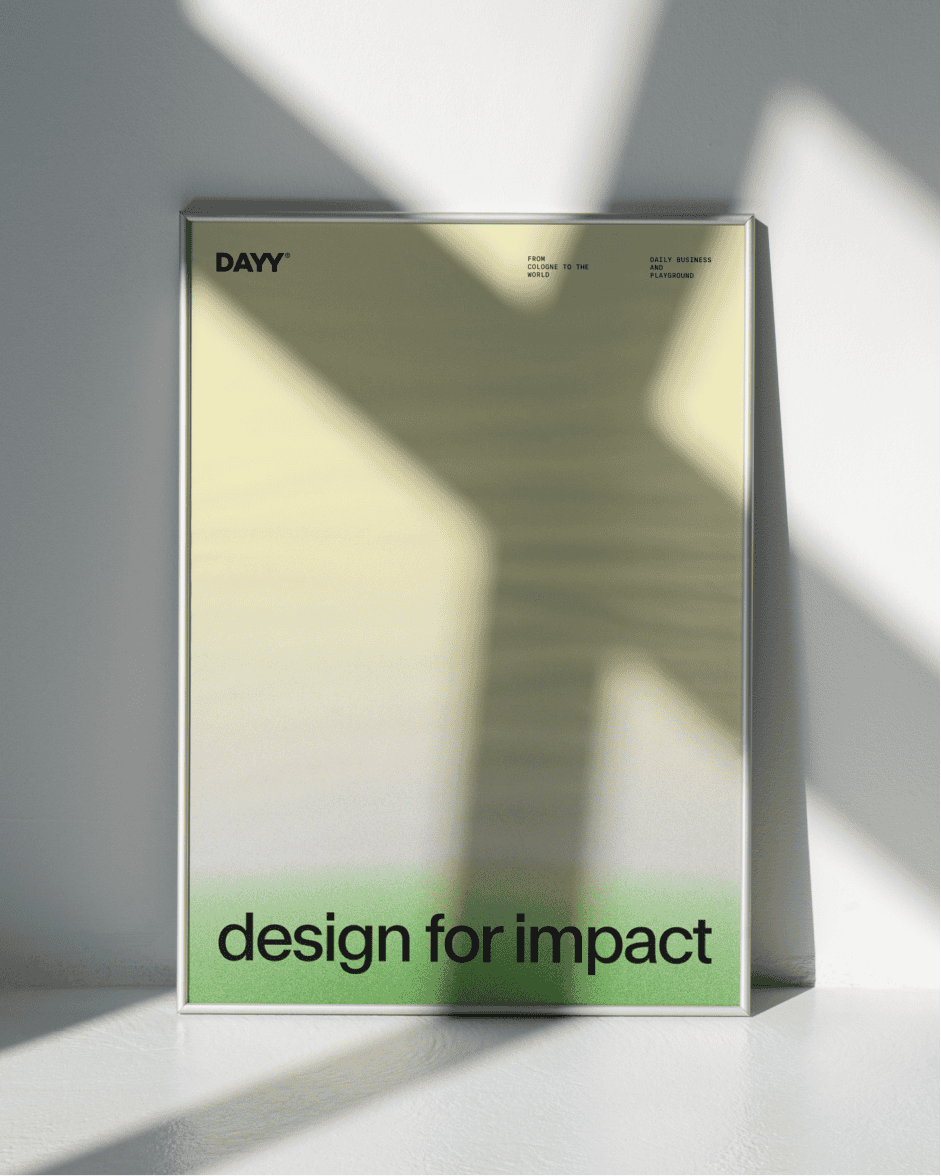
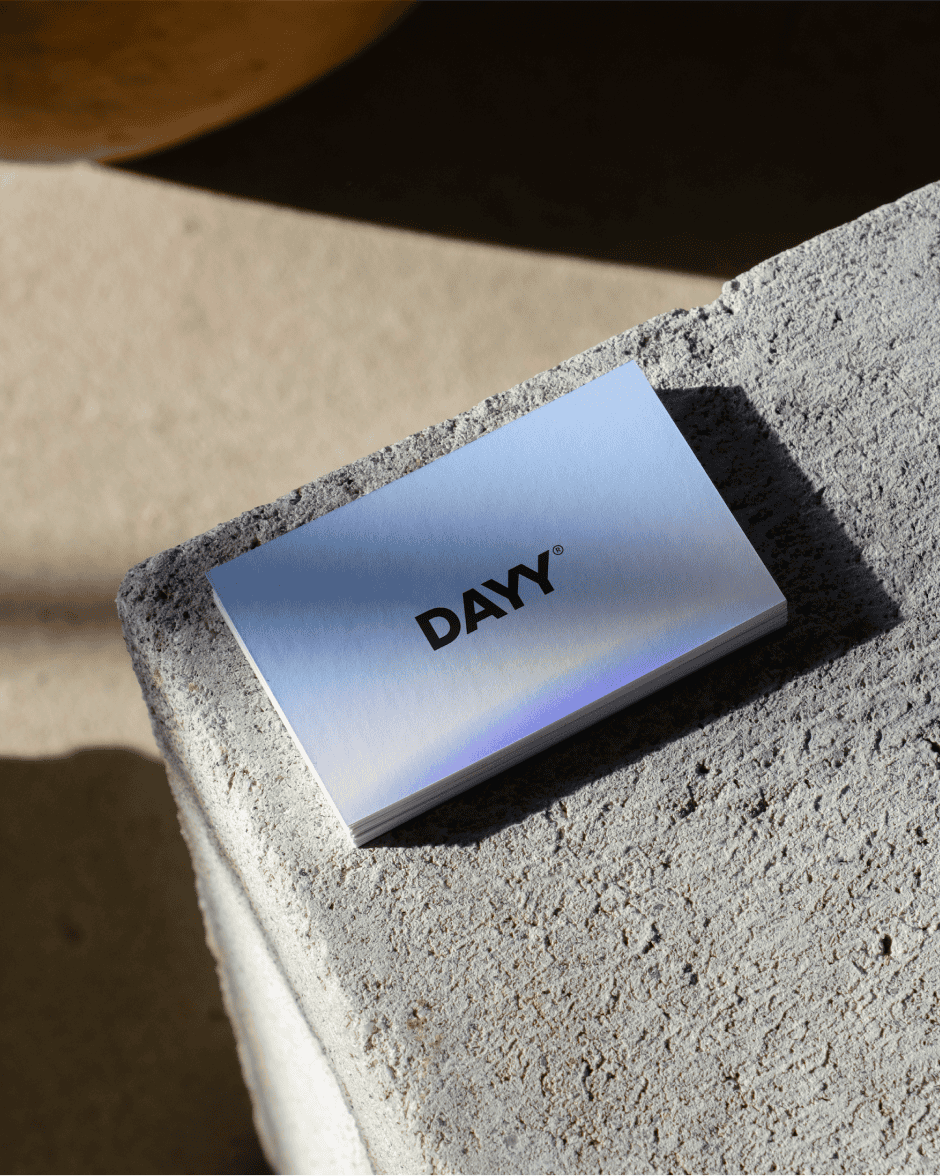
What’s a project that pushed you and your team outside of your comfort zone, and what did you learn from it?
We once worked with a client whose audience lived almost entirely in gaming communities. It pushed us to think less like brand designers and more like world-builders. It taught us that relevance is never static. You have to design for the culture people are living in today, not the one you’re most comfortable with.
How do you ensure each project has a unique “voice” while still reflecting the studio’s DNA?
It’s really about making sure there is the right fit with your partner or client. We screen potential projects first, then have a chemistry meeting before deciding if we will move forward. This step is crucial to ensure everyone is aligned on how we will approach the work and what to expect along the way.
We aim to create brands that have vibe, are culturally relevant, are courageous in their approach, and stand out among competitors. If everyone is on board, then we move forward. This process allows us to preserve the DNA of our work.
In your opinion, what makes a project truly meaningful—beyond recognition or visibility?
Impact means that a brand truly resonates. Brands are built from within. If we can create a brand that is genuinely embraced by the team, something they connect with and can call home, that is the first step.
The second step is building a design system that is simple, easy for anyone to use, consistent, fun, and able to grow over time.
The true power of a meaningful brand comes when it works in people’s lives and is accepted by them. That is when we know we’ve done our job properly, because it goes far beyond surface-level design, it creates real connection and lasting impact.
In today’s design landscape, where trends, shared references, and even AI often lead to projects looking very similar, how do you approach inspiration and ensure your work maintains originality and a distinct voice?
This is a tough one. There is definitely chatter in the industry that everything starts to look the same. The thing is, we view the industry through a design lens. We move on the same platforms, see the same spaces, and encounter hundreds of new projects every month.
Everyone says brands must be original and different, but I think this comes from design fatigue. We see so much work that we start demanding more from what we consume. It’s easy to forget that brands aren’t designed for us (as designers), they’re designed for the people they serve.
Often, a brand refresh has a clear purpose and is meant to inspire and delight. Trends exist for a reason, they resonate with people. Certain fonts, colors, or photography styles carry cues that connect with audiences. Being aware of these and taking inspiration from brands that work is not a bad thing.
I believe brands should be different with intent. Not every brand needs to be unconventional or disruptive, those choices should come from the brief and the purpose. That’s where we focus. We observe what’s out there, but we draw inspiration from our own breakthroughs, from playing and experimenting. Strategy gives us direction, play helps us explore it, and together we unfold a story that often already exists within side the brand but simply has not yet had the chance to be told.
What does collaboration look like inside HYPERFOCUS—how do you bring different perspectives together?
We believe the best idea can come from anywhere and anyone. Collaboration at HYPERFOCUS is less about hierarchy and more about shared ownership. Designers, strategists, and writers are all shaping the same story from different angles.
More recently, we’ve been sharing and talking more with people outside of branding, whether in tech, advertising, or sports. These perspectives help us better understand our own and expand the way we approach our work.


How do you keep the team motivated and inspired when working on long or challenging projects?
Ownership is especially important in the projects our team works on. Whether you are a designer, writer, UX specialist, or developer, it’s important to have an opinion, feel in charge, and be able to steer the outcome of the project. This naturally keeps the team motivated, because everyone is invested in creating the very best work.

What role does experimentation play in your daily practice?
It depends who you’re talking to, honestly. We’re a small team, so everyone contributes in different ways to a project. It’s not all play, there’s a lot of legwork too.
We have a really well-structured process that defines roles and allocates time for play on a project. It’s important to manage time, expectations, and delivery. Play and experimentation are definitely prioritized and hyperfocused when necessary, but not all day, every day, which would be nice, of course.


Future Focus
We are not going back to the full-service model, but I do see a trend where design studios are no longer defined solely by design. They are defined by reputation, exposure, and output. The studios rising to the top are not just producing amazing work, but are also able to create a brand that works across all media platforms, whether with internal teams or external partners.
Brand and design studios have bridged the gap with the service design studios we once relied on heavily. We still work with them, but now it is often the other way around. They call us.
For clients, the impact of brand is much more visible and in the public domain. Decisions are increasingly influenced by the brand’s presence and output rather than purely quantitative measures like product validation, SEO, user research, or click rates. Clients now expect culturally relevant work and brands that truly resonate. Today, branding studios are expected to deliver across all digital touchpoints and channels, creating a cohesive, impactful presence.

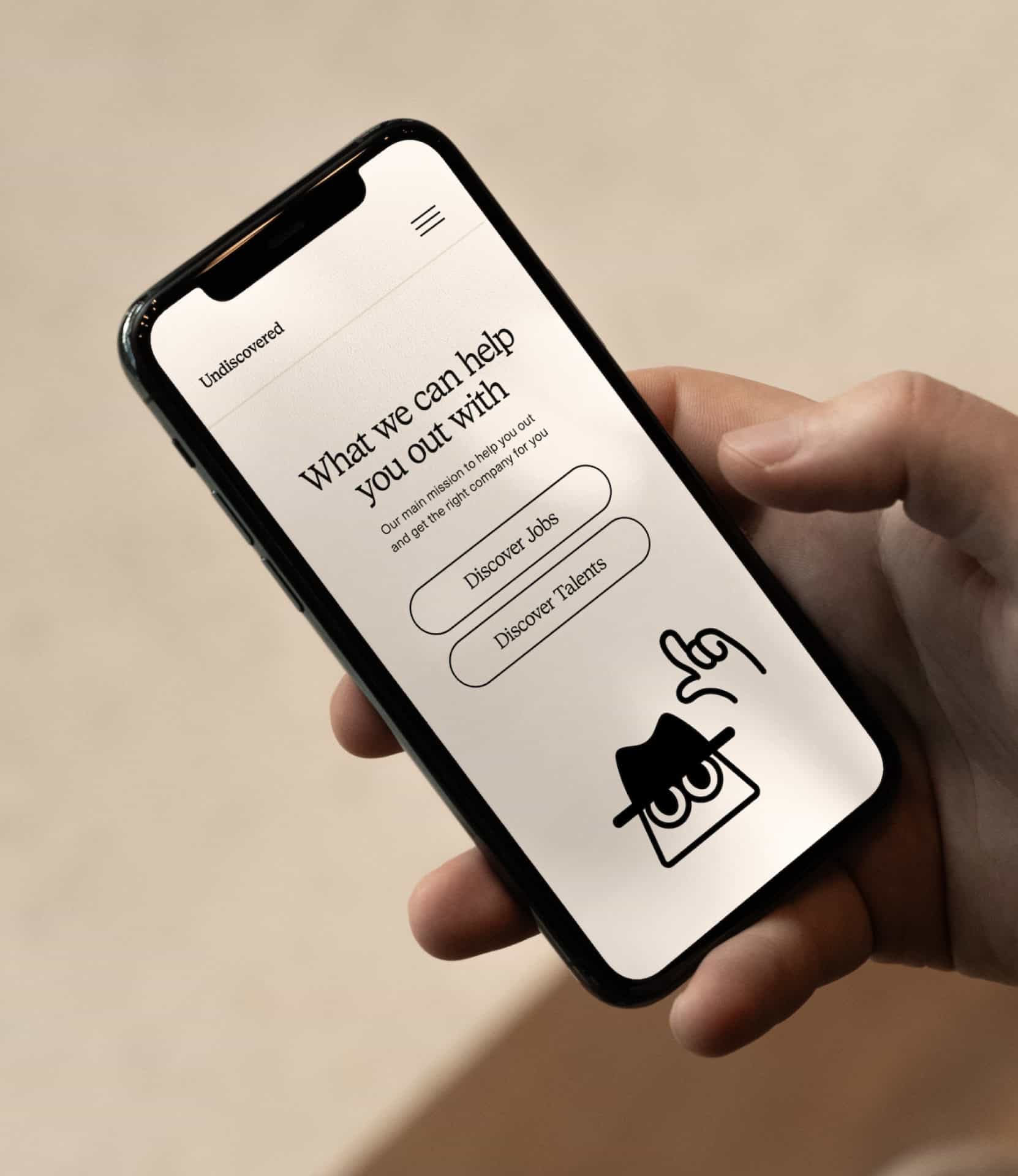

What excites you most about the future of design—new tools, new mediums, or new ways of connecting with audiences?
The lack of limitations is what excites me. We are not really constrained by others, so we can create and do almost anything we want. The key is having the time and commitment to master the ever-changing landscape of tools and being able to afford the hefty subscription models.
Artificial intelligence is rapidly reshaping the creative field. From your perspective, do you see AI as a tool that will ultimately bring long-term benefits to design, or as a threat that could potentially replace the role of designers?
I believe there will be streams for everyone. There is already purely AI-generated social content that attracts millions of views. People want it, and they get it. But there are also those who do not. The human contact that people crave and need will always be there. It is what makes us who we are.
I see the future of creative output including fractions of both, as well as combinations of both. You already see a craving for craft, handmade aesthetics, and physical interaction in the design industry, but there is also a strong appetite for AI-driven approaches.
Ultimately, we choose how to integrate AI into our workflows, when it makes sense, and how it can add value. Humans are still needed to prompt, make decisions, and bring a sense of style or morality to the process. Things have changed and will continue to evolve with the advent of AI, but it is more important than ever that we show up and keep the narrative firmly in our control.
If you could collaborate with any type of client or industry in the coming years, what would be at the top of your list?
We are most excited about collaborating with brands that are deeply rooted in culture, like in sports, gaming, and entertainment. These are worlds where stories and brand personalities truly come to life across both real and digital experiences.
It is where a brand can be fully immersive, connecting with people through shared values and beliefs rather than just features or functionality. It is where design carries meaning and creates impact.
Personal Insights & Advice
The biggest risk was simply starting. I had dreamed of doing this for years, and luckily the stars aligned, Jan had the same idea. We set a course and set sail. I would not do it any differently, even though we have had both hard times and good times. What we have achieved already is beyond my wildest dreams.
So yes, the biggest risk was saying, “Let’s go!” Our first employee was also a big step, but no regrets there at all. They changed the game for us.
What do you think is the most underrated skill for a designer today?
Their own opinion and voice. Don’t shy away from telling your story and helping others along their journey. This is so underrated. Many people feel like they have nothing to say or think no one wants to hear their perspective, but that is not true. Your personal story is your most unique attribute because you are the only one who has ever walked in your shoes. This applies to everyone.

What advice would you give to young designers who are just entering the industry today?
Difficult times, honestly. I know it is getting harder for younger designers to even get a chance in our industry. Junior roles are scarce, and unpaid internships are still common. My advice would be to find a mentor or a studio willing to open their doors to you. This does not necessarily mean a physical space to sit. I mean someone willing to give advice, nurture you, and help guide you along the way, even if it is in a passive way.
Even though these are unprecedented times and a lot is uncertain, this is nothing new. Since I started in the industry, there has been talk about the demise of creativity due to machines, but the human factor has always prevailed and, in my opinion, always will.
My advice is to find mentors who have been through it, are going through it, or are on their way. Find your people, find your community, and you will find your way. Check out our friends Simon Dixon, Jessica Walsh, and Katy Cowan to get started. They are paving the way when it comes to insights and sharing guidance in our industry.
You have to remember we need you more than ever, it’s now your time to help us shape what the future of industry will become.

Paul’s reflections highlight the essence of what makes HYPERFOCUS stand out — a rare balance between structure and creativity, strategy and soul. His words remind us that great design is not just about originality, but about connection, empathy, and intent.
In an era defined by technology, AI, and shifting trends, Paul champions a human-centered approach to creativity — one rooted in curiosity, authenticity, and collaboration.
You can explore more of HYPERFOCUS’ work at hyperfocus.cc and follow their creative journey on Instagram.
Stay tuned on Bounty Hunters for more stories, interviews, and insights from the designers shaping the future of visual culture.
