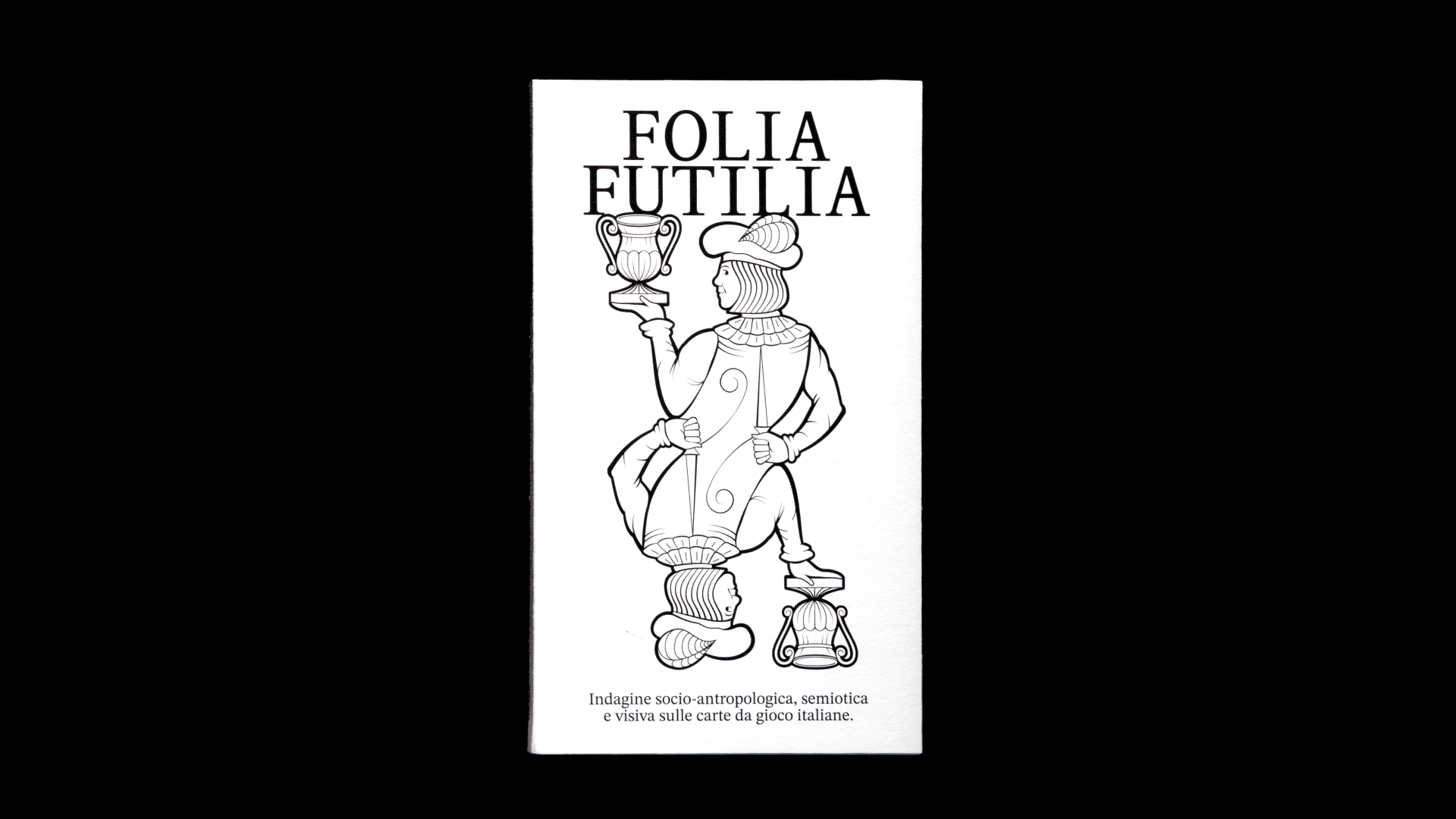
Folia Futilia: Giovanni Piccoli Explores the Visual and Cultural Heritage of Italian Playing Cards
What appears to be a simple object of entertainment can reveal centuries of history, symbolism and collective identity. In Folia Futilia, Italian graphic designer Giovanni Piccoli investigates the cultural significance of playing cards through a socio-anthropological, semiotic and visual study that begins with the very concept of play. From dice and games of skill to gambling and card games, the research explores how different forms of play have evolved throughout history, shaping social behaviours, cultural traditions and visual languages.
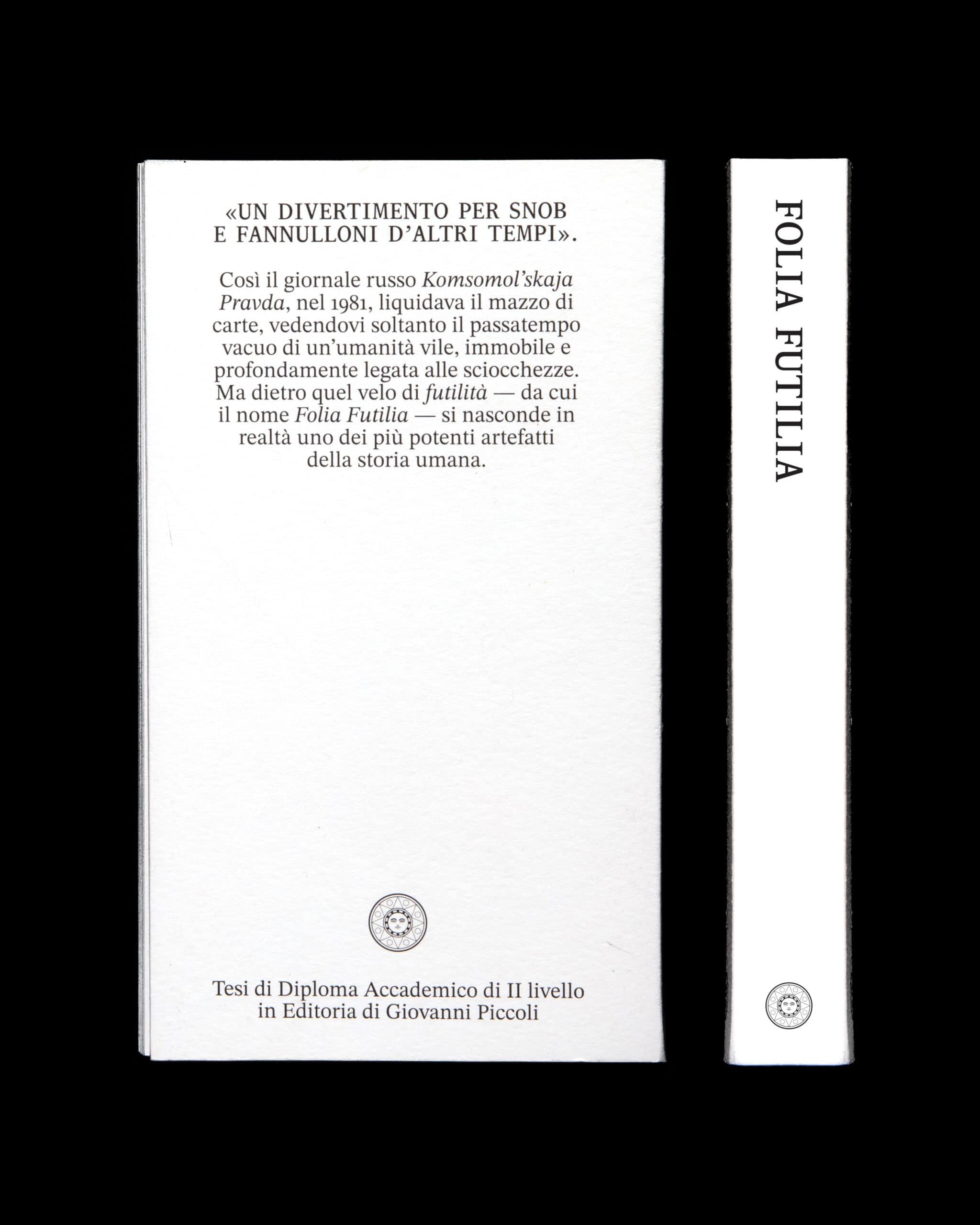
Developed as his Master’s thesis at ISIA Urbino, where he graduated in Graphic Design for Publishing in March 2026, the project challenges the perception of playing cards as merely trivial objects. Its title draws inspiration from a 1981 article in the Russian newspaper Komsomol’skaya Pravda, which dismissed card playing as a pastime for snobbish people and idlers of bygone days. Piccoli turns this criticism into the starting point for an investigation into the remarkable cultural significance hidden behind their apparent futility.

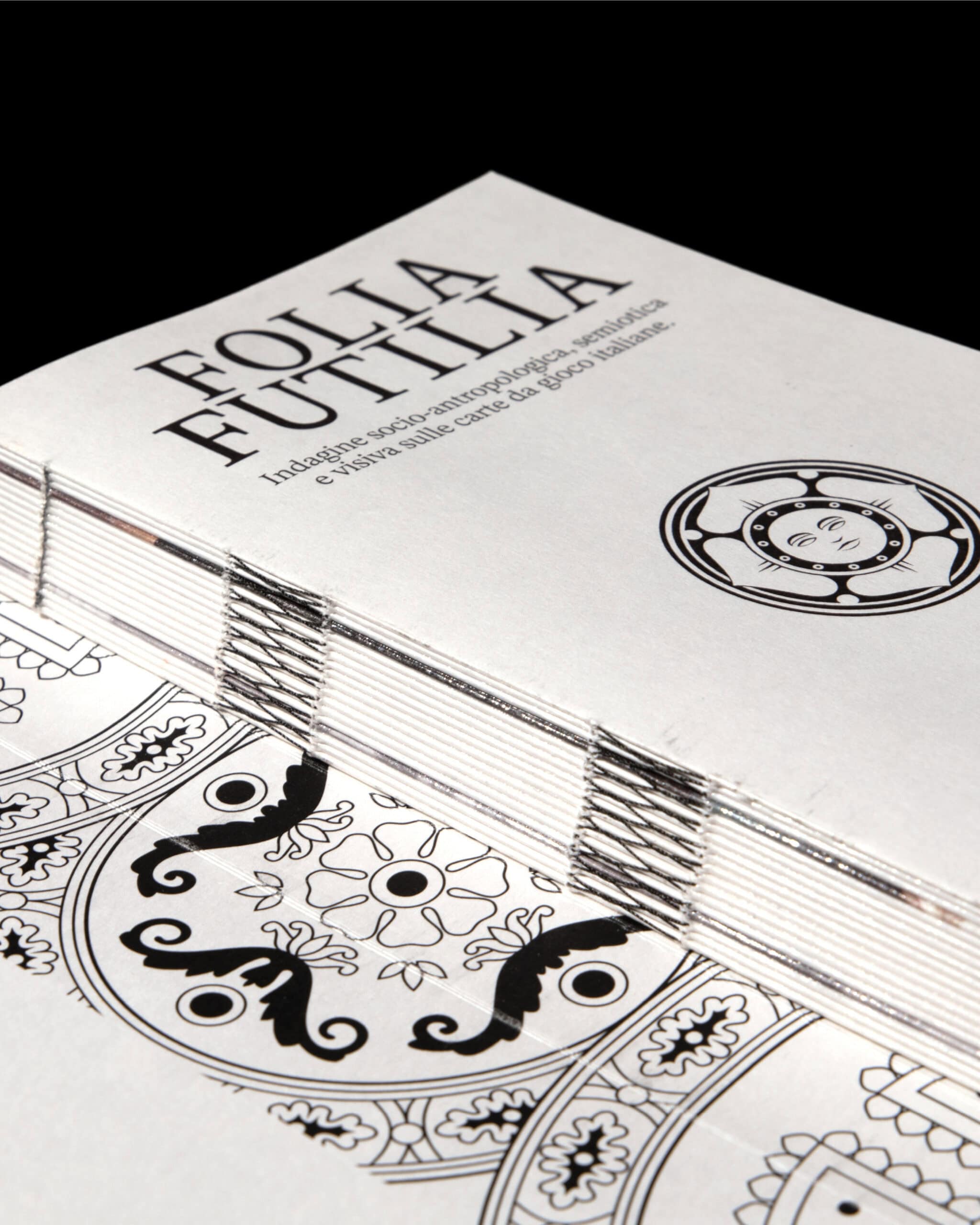
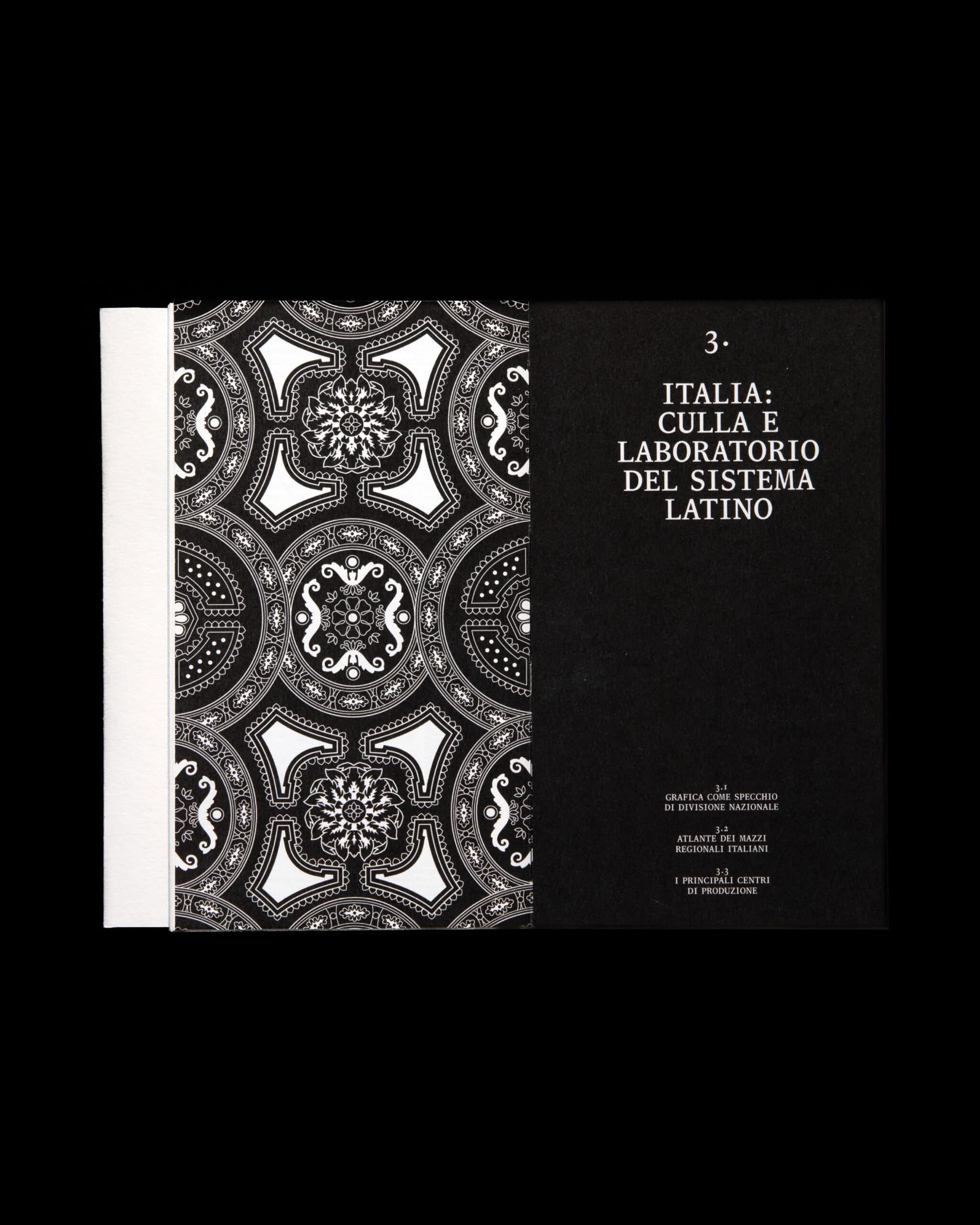
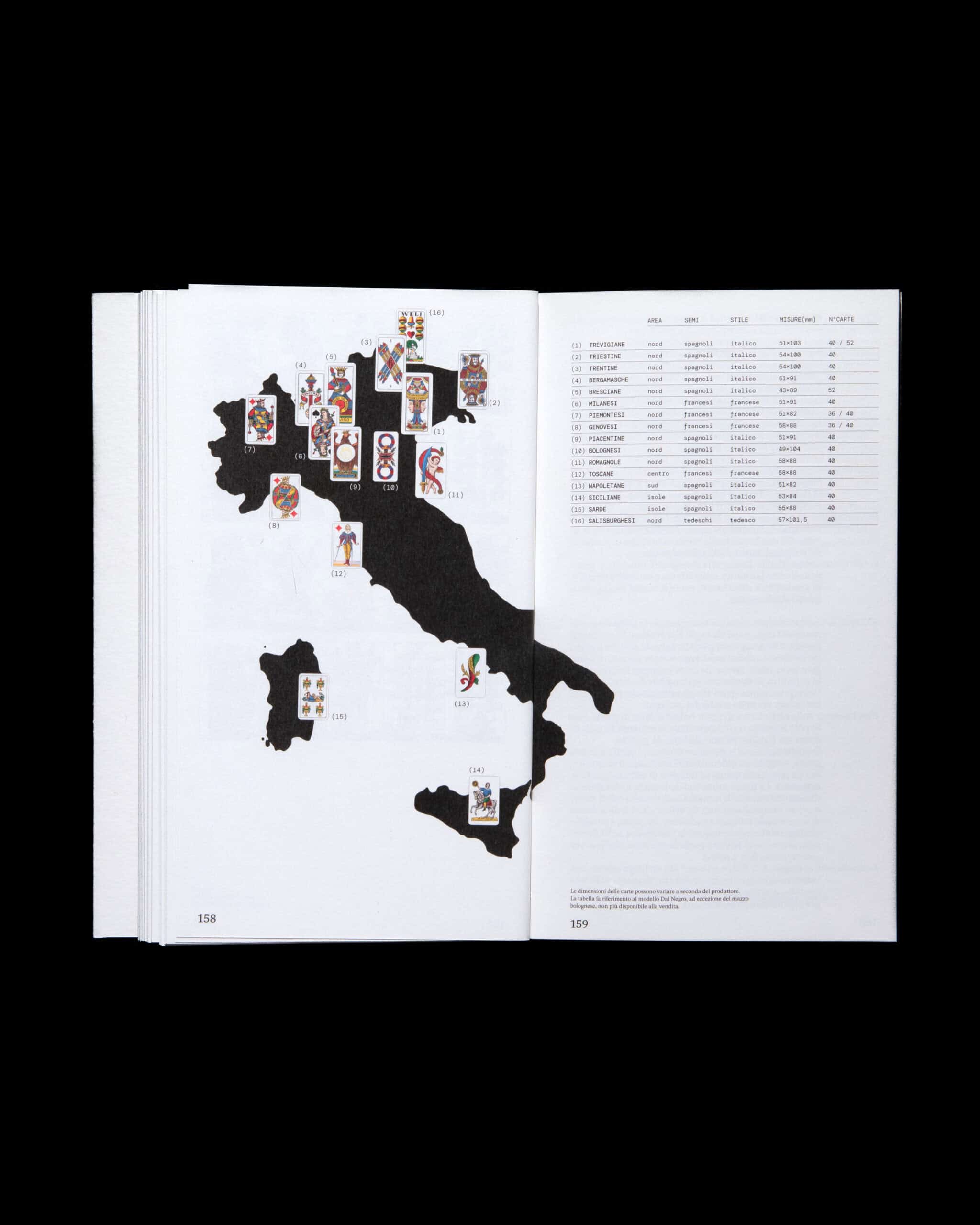
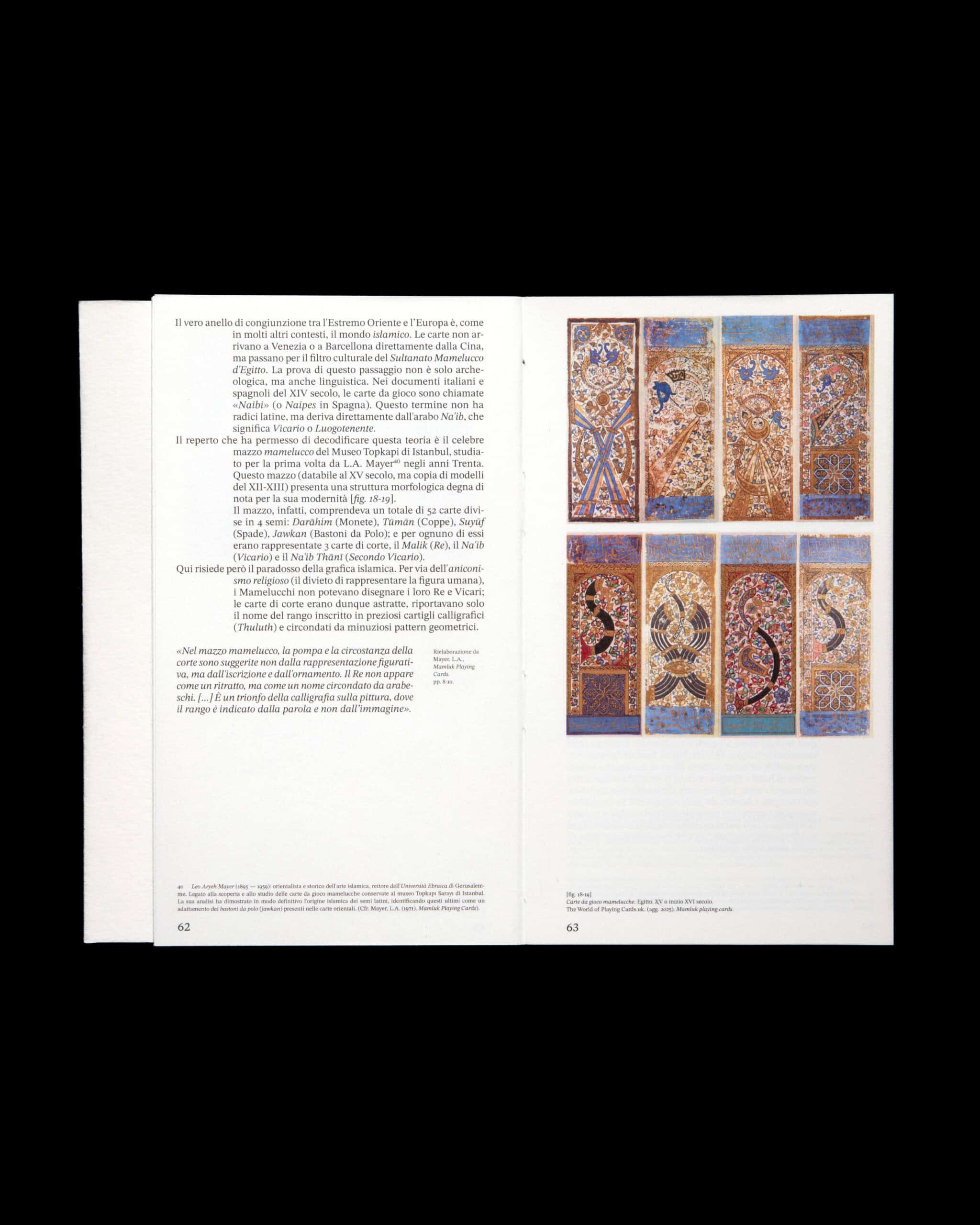
The research examines playing cards as one of the most enduring artefacts of visual culture, revealing a complex system of signs shaped by centuries of social practices, historical transformations and regional identities. Through sociological and semiotic research into the history of games and the evolution of playing cards, Piccoli explores how these familiar objects function as carriers of collective memory.
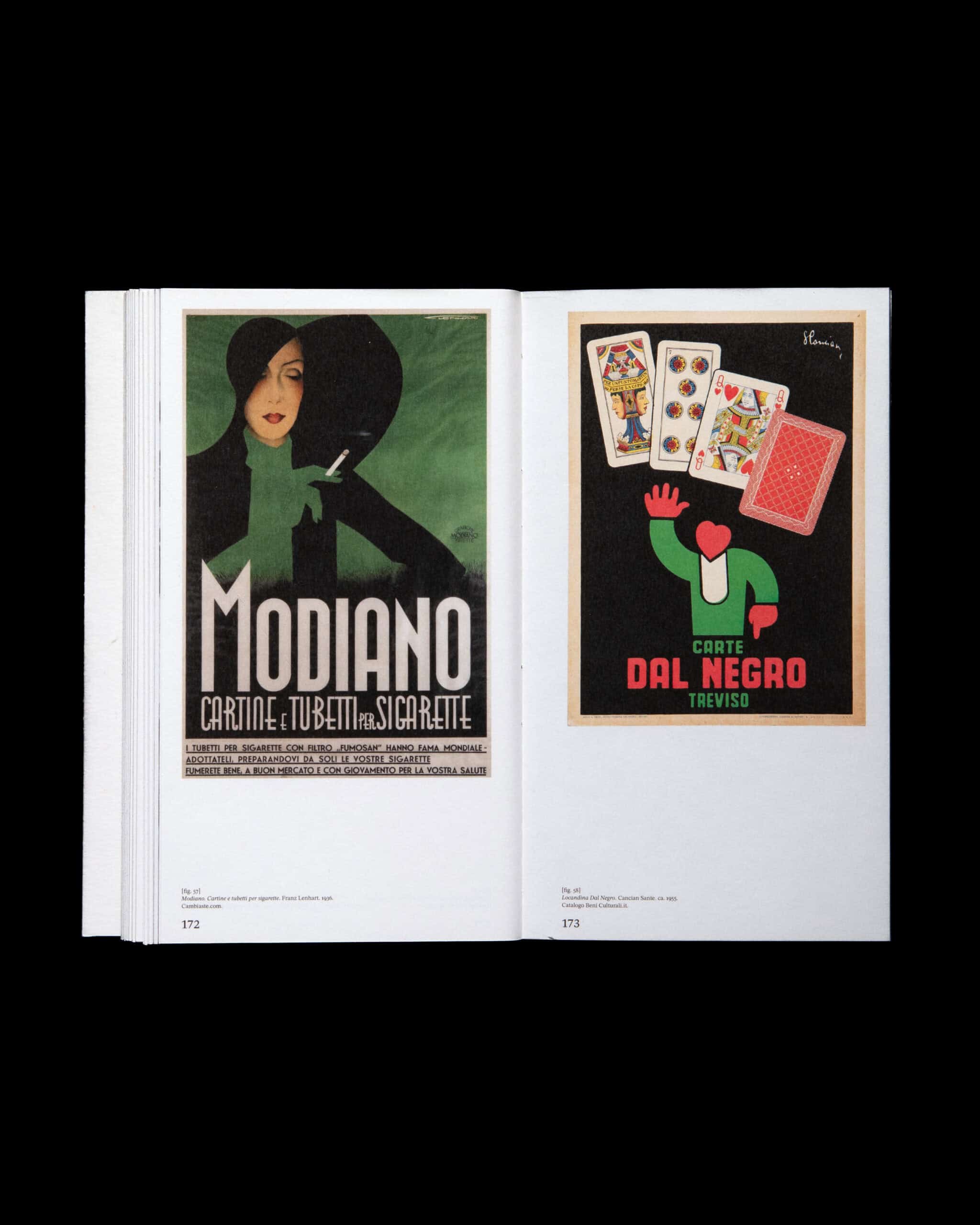
A central part of Folia Futilia focuses on the cataloguing and morphological analysis of traditional Italian regional decks. By studying their distinctive illustrations, symbols and visual structures, Piccoli reconstructs a visual archaeology of Italian identity, highlighting the differences and shared characteristics that have developed across the country’s regional traditions. As part of this research and cataloguing process, he also established contact with Dal Negro, one of Italy’s leading historic playing card manufacturers, connecting his academic investigation with the country’s longstanding card-making tradition.
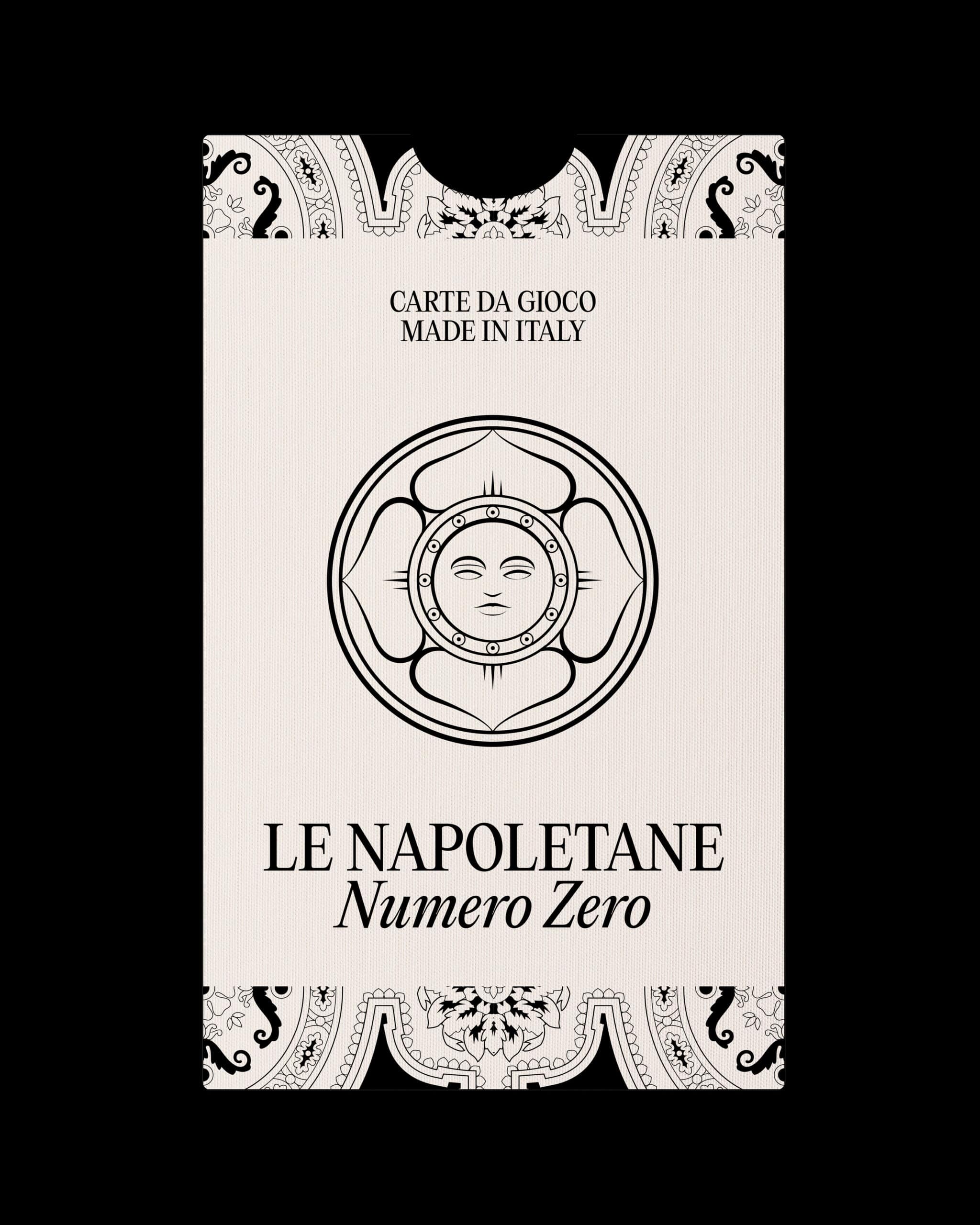
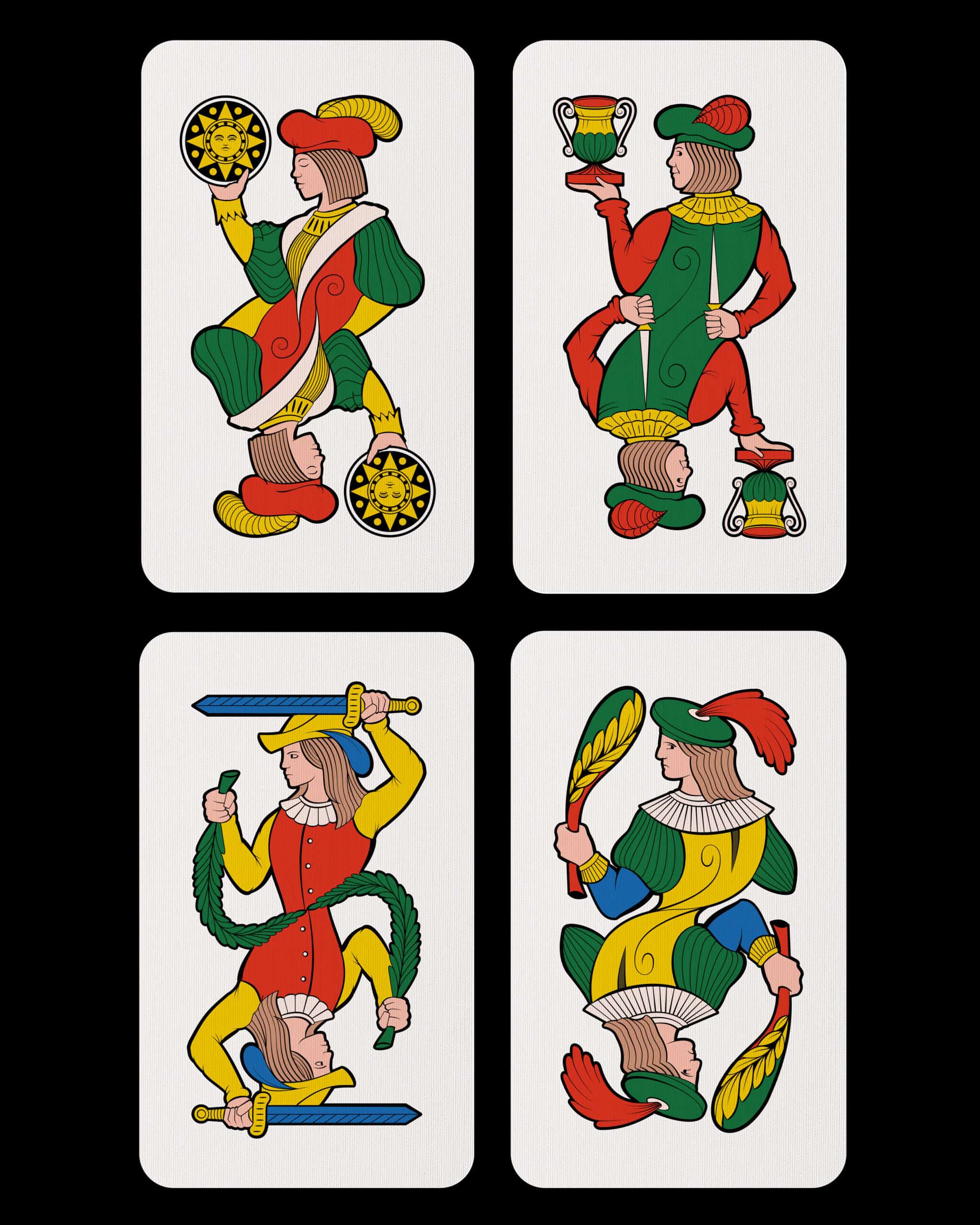
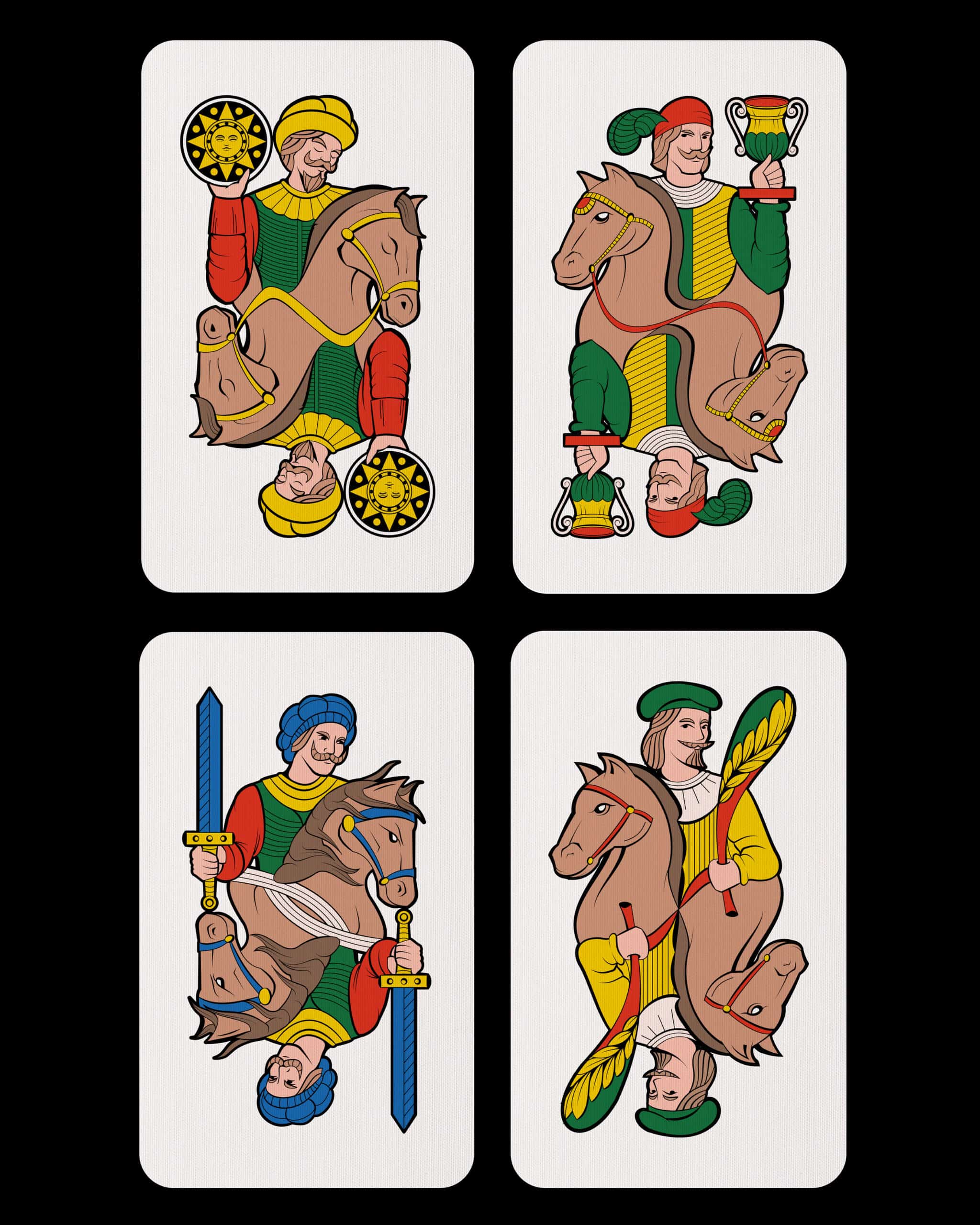
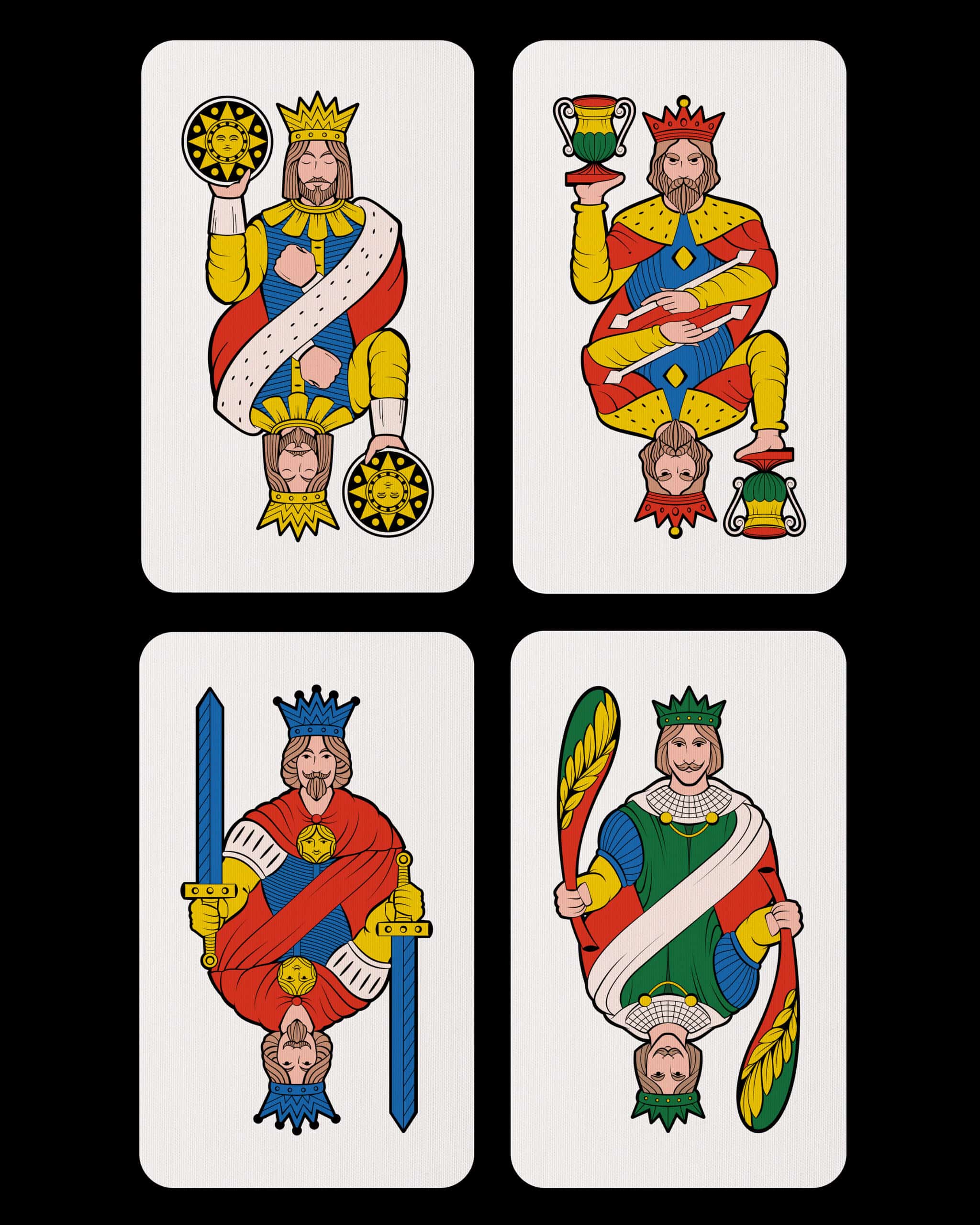
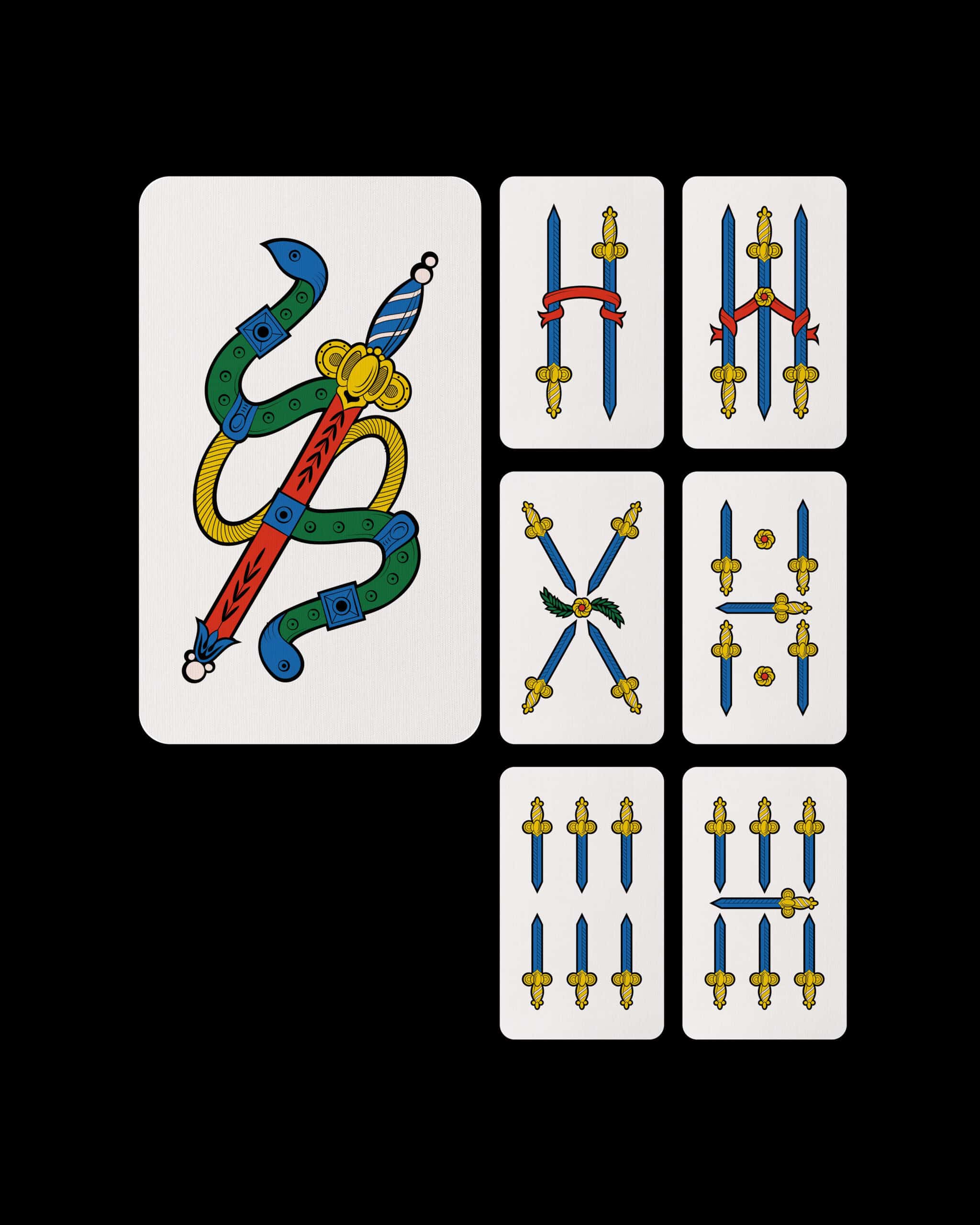
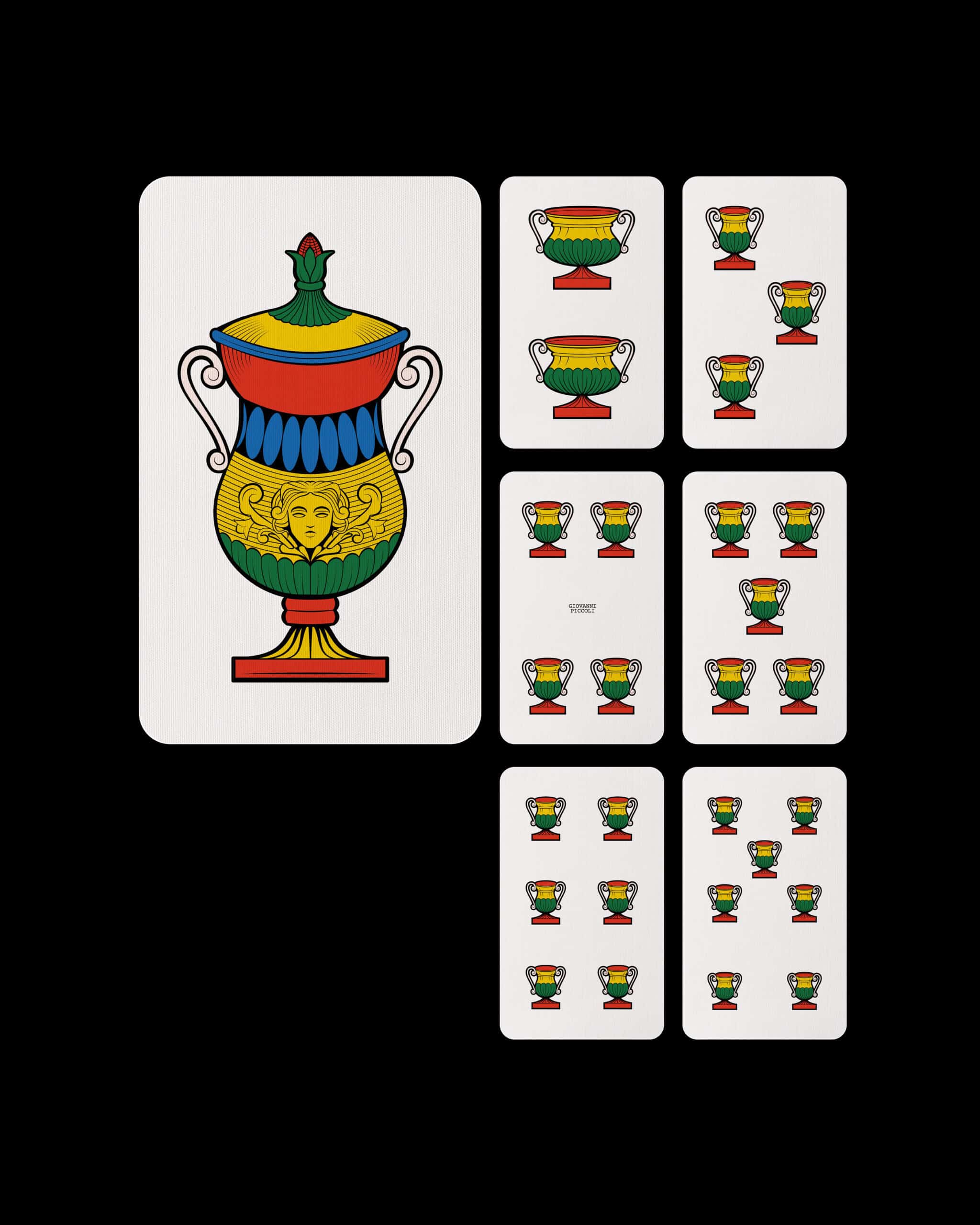
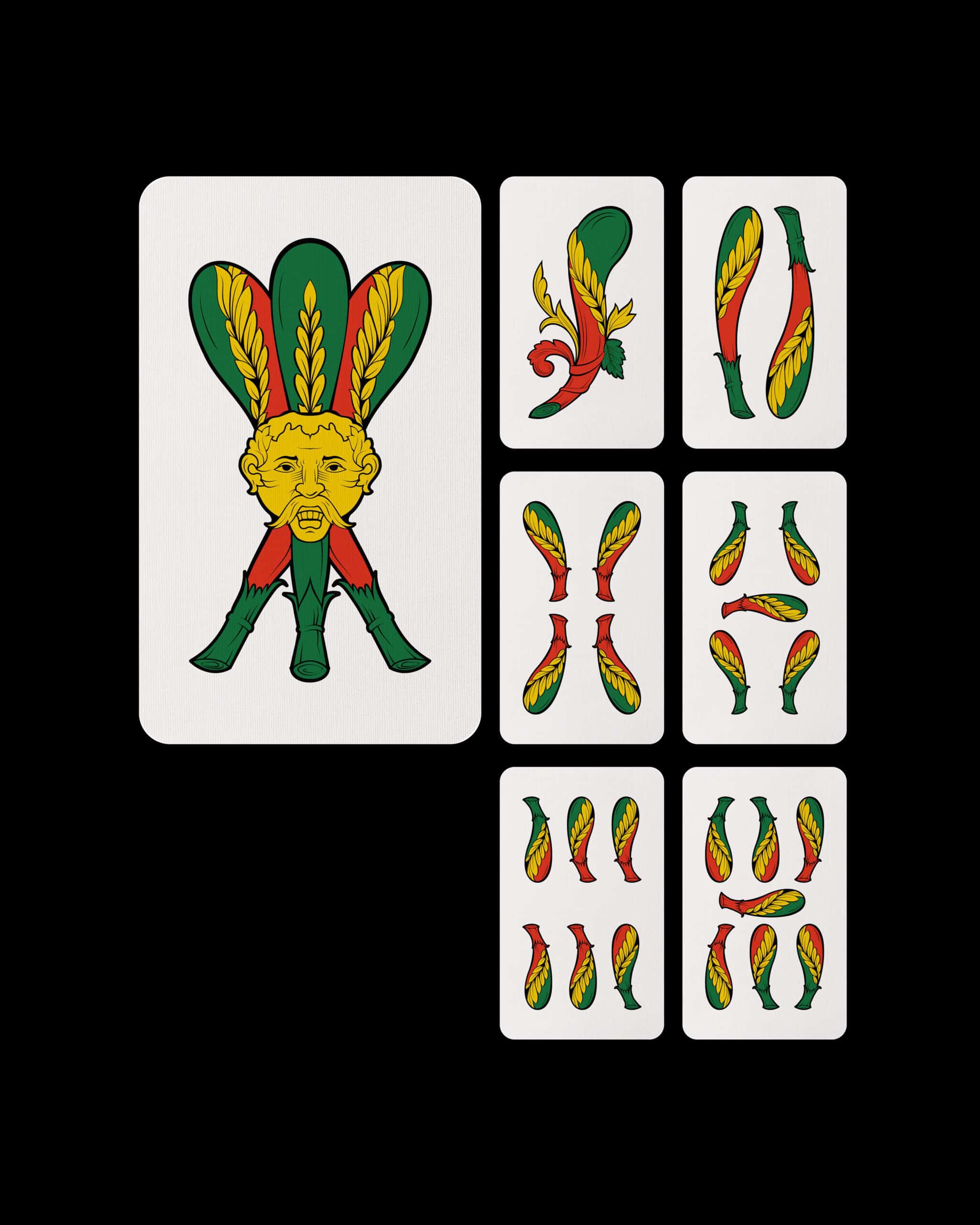
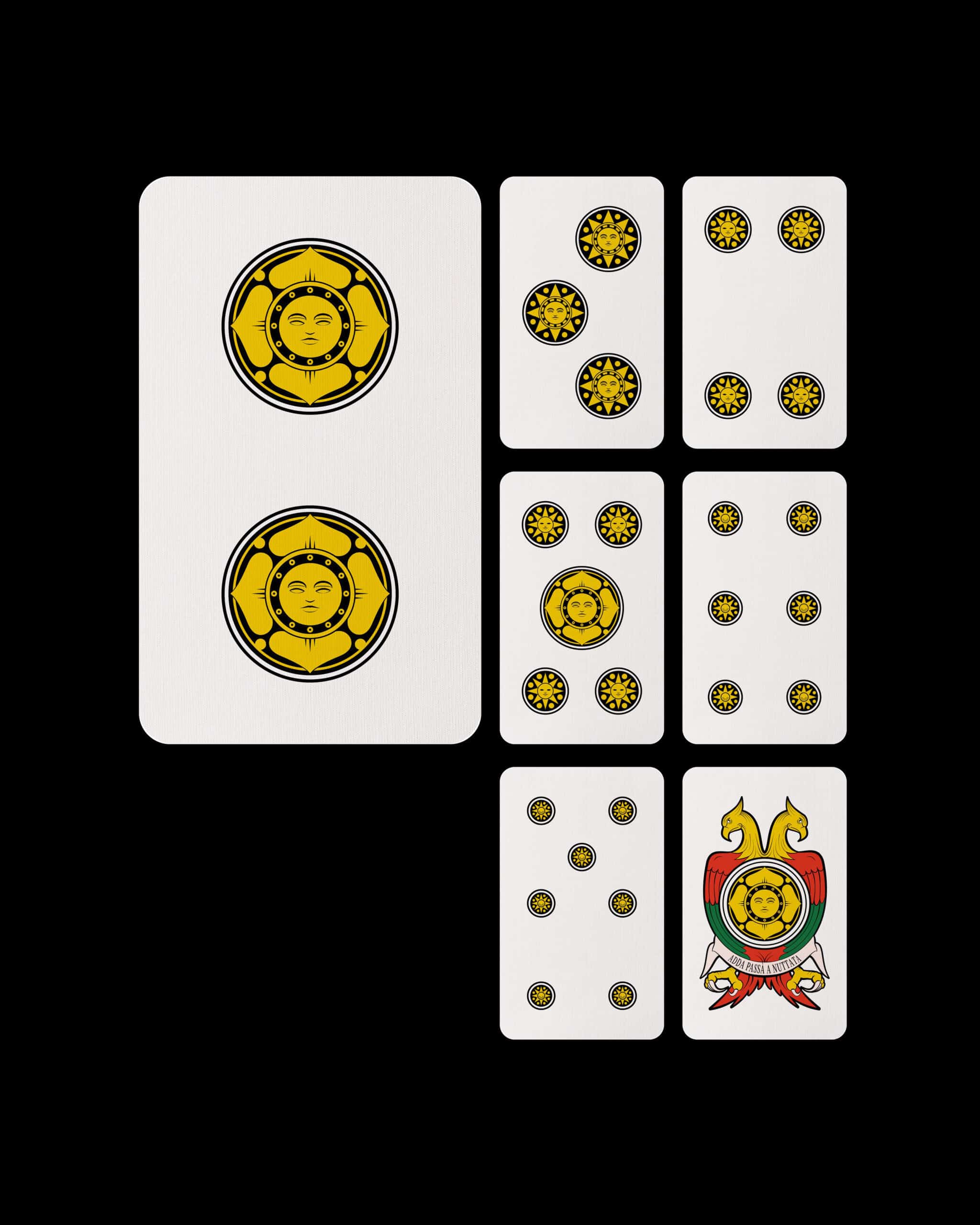
The research ultimately translates into a contemporary redesign of a traditional Neapolitan playing card deck, balancing historical accuracy with visual experimentation. Rather than replacing its established visual language, Piccoli preserves the familiar characteristics and recognisable symbols of the original cards while introducing a renewed graphic identity.

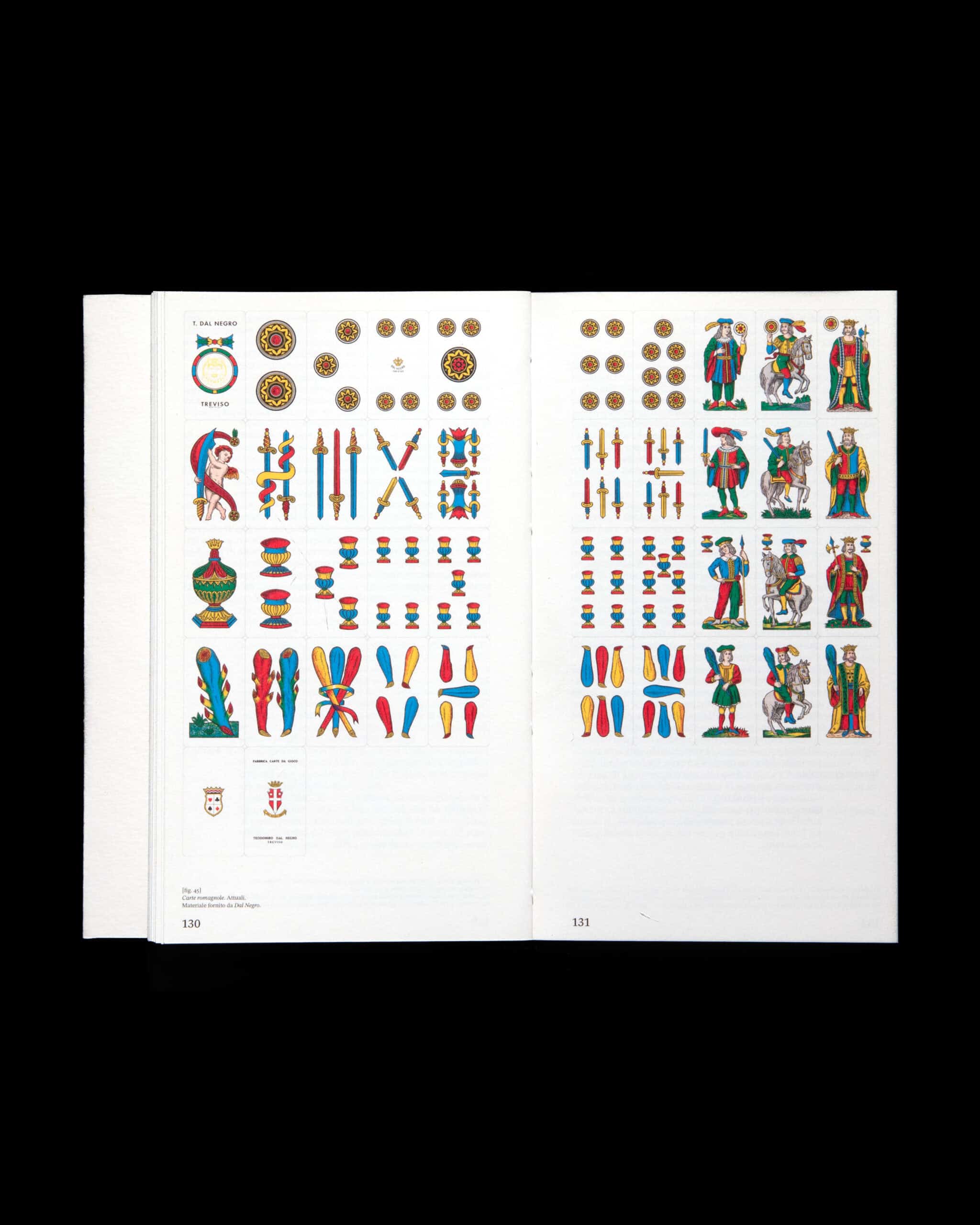


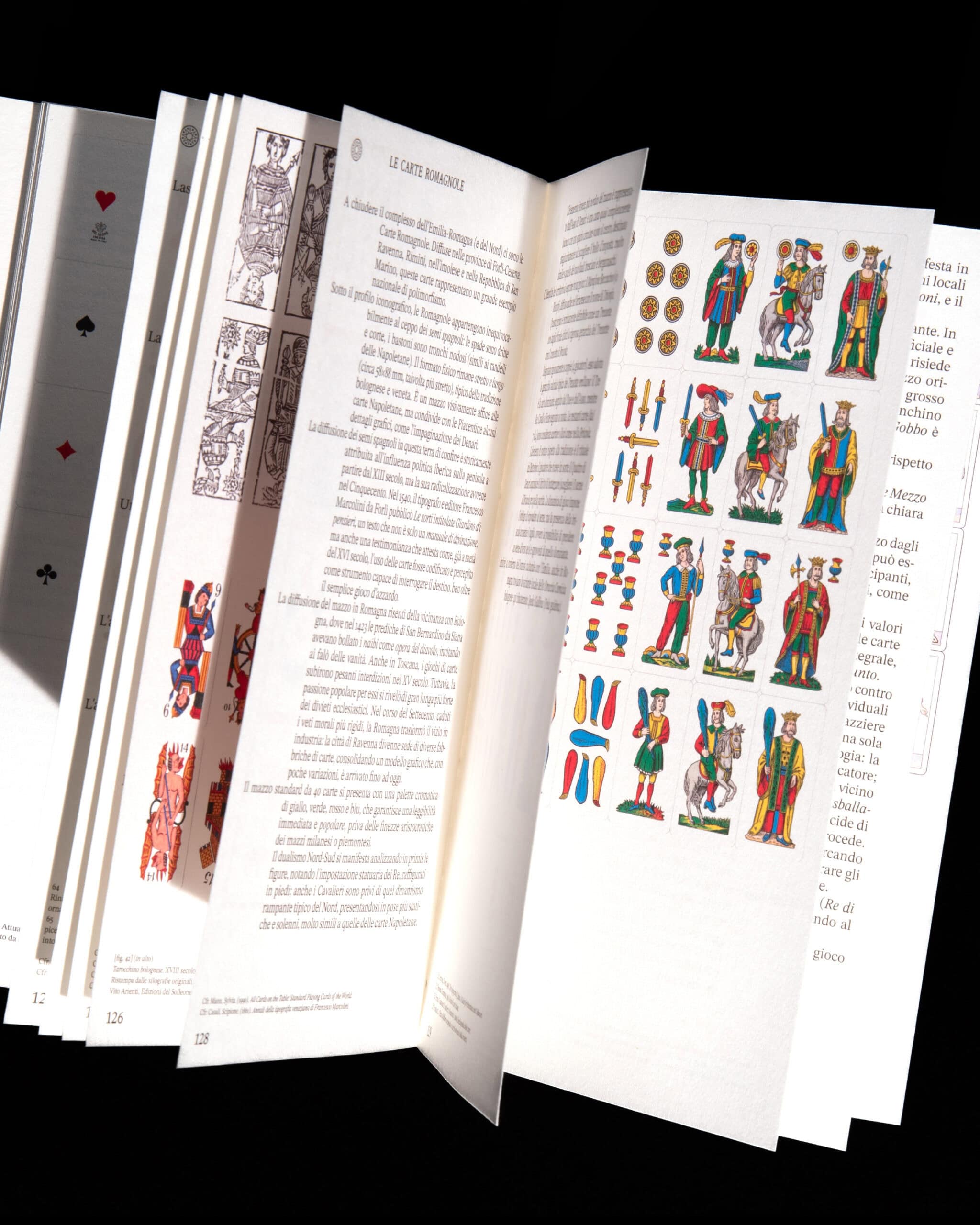
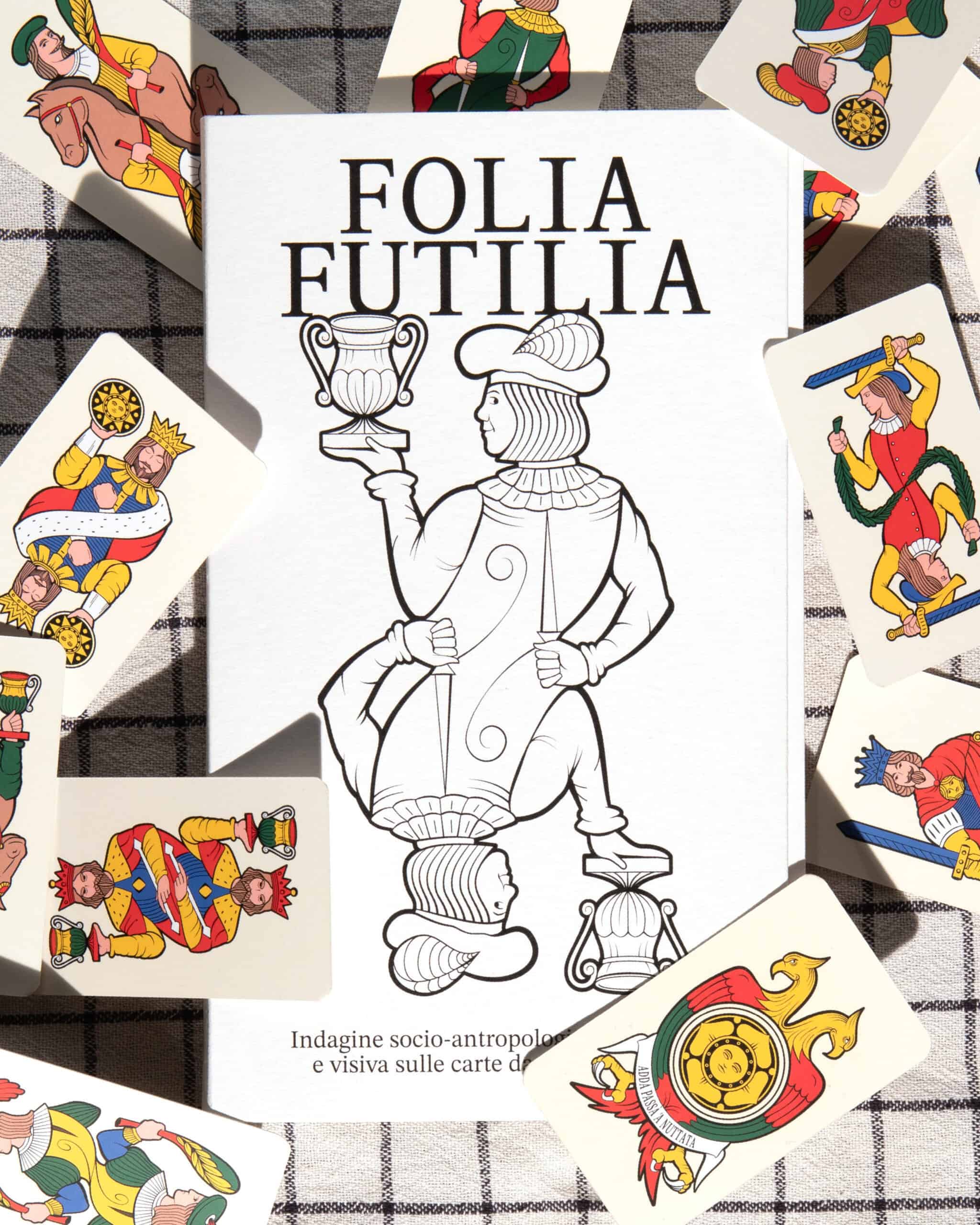
This approach draws on the analysis of playing cards by Sylvia Mann, emphasising the importance of immediate visual recognition during gameplay. Players need to identify symbols and values instinctively, without having to interpret an unfamiliar graphic system. The redesign therefore maintains the essential visual codes of the Neapolitan deck, demonstrating how contemporary design can introduce new aesthetic qualities without compromising functionality or cultural continuity.
Folia Futilia demonstrates how graphic design can extend beyond aesthetics to become a tool for cultural preservation and reinterpretation. By revisiting an object often overlooked precisely because of its familiarity, the project invites viewers to reconsider the value of everyday visual artefacts and the stories embedded within them.
Born in Martina Franca, in Apulia, and raised in Santarcangelo di Romagna, near Rimini, Giovanni Piccoli is an Italian graphic designer whose practice spans graphic design, illustration, photography and motion graphics. With a background in Industrial Design from the University of San Marino and a Master’s degree from ISIA Urbino, his work combines research and visual experimentation, with illustration playing a defining role in the development of his distinctive creative language.